Beyond Kegels: Why 'Releasing' Your Pelvic Floor is the Secret to an Easier Labor

By Dr. Emily (DPT)
If you’re pregnant, you’ve probably heard this one piece of advice more than any other: "Do your Kegels!"
You’re told it will prevent leaking, help with recovery, and get you ready for birth. And while strengthening your pelvic floor is absolutely important, this common advice is missing half the story.
As a Doctor of Physical Therapy specializing in pelvic health, I can tell you that for many women, focusing only on strengthening (squeezing) can backfire.
We don't just want a strong pelvic floor for birth. We want a supple one.
The "Tight Knots" Problem
Think of it this way: your bicep muscle can be strong, but if it's so tight that you can't straighten your arm, it's not functional.
Your pelvic floor is the same. It's a group of muscles. If it's too "hypertonic" (or tight), it can cause problems like pelvic pain, pain with intercourse, and yes, it can make labor harder.
Why? Because the "pushing" stage of labor isn't a squeeze. It's a release.
Your pelvic floor needs to be able to lengthen and open to allow your baby to pass through. If your muscles are already in a state of high tension—like a tight, "knotted" muscle—they will have a harder time relaxing and opening.
Are You "Too Tight?"
Many women are "over-squeezing" without even realizing it. Common signs of a tight pelvic floor can include:
Pain during sex
Constipation or pain with bowel movements
A feeling of urgency or pain when you urinate
Low back or hip pain that won't go away
Even if you don't have these symptoms, learning to consciously release your pelvic floor is the most important skill you can practice to prepare for a vaginal birth.
Your First Step: The "Pelvic Floor Drop" Breath
Let's try to feel this "release" right now. This is a "Reverse Kegel."
Sit comfortably on a chair, with your feet flat on the floor. Feel your "sits bones" (the two bony points in your butt) on the chair.
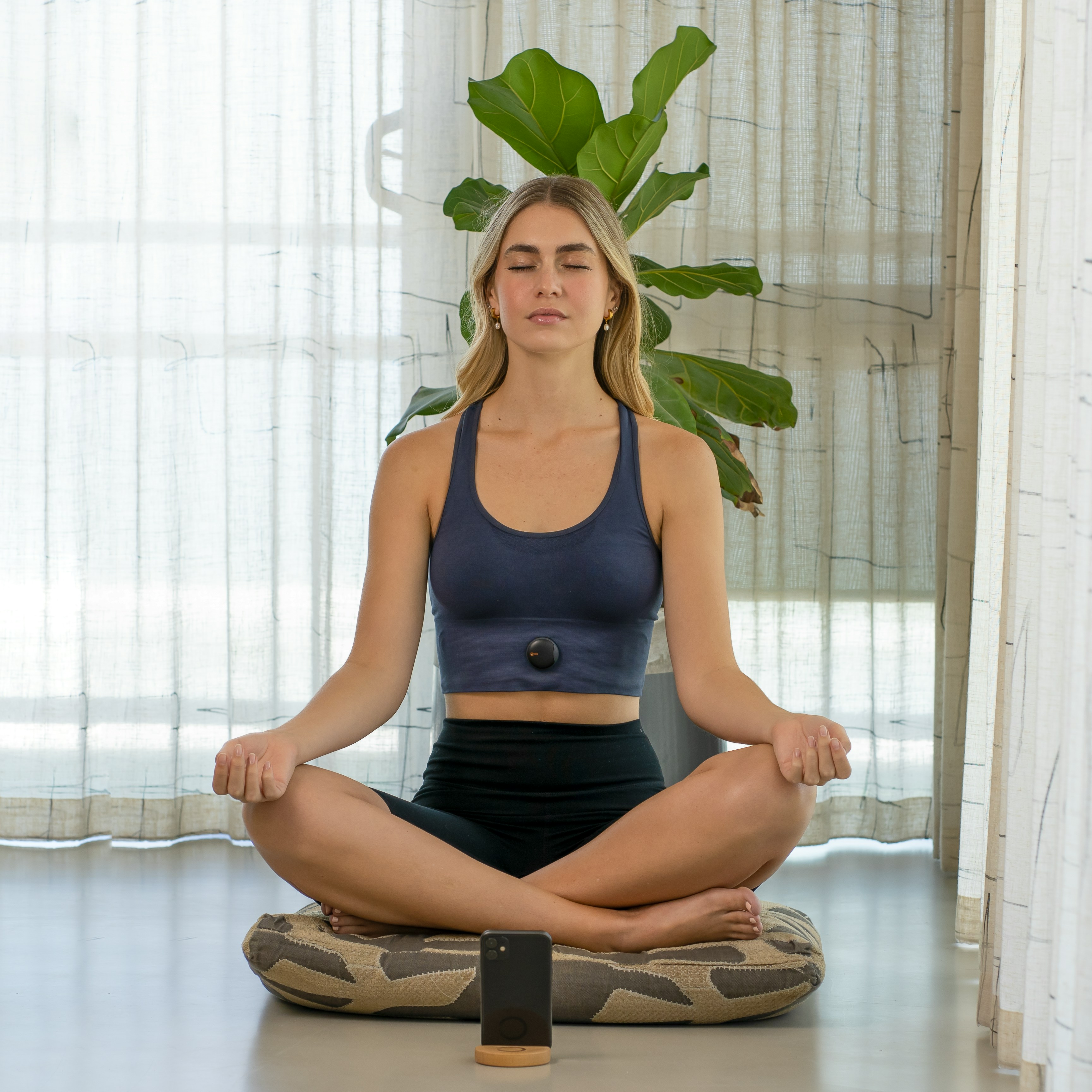
Take a slow, deep inhale. As you inhale, let your belly expand and imagine your pelvic floor "dropping" or "blossoming" down toward the chair.
Picture a flower opening. Feel your sits bones gently widen. This is the feeling of lengthening and release.
As you exhale, just let the muscles return to their normal resting state. Don't squeeze.
Inhale again, and gently "drop" and "open."
This is the opposite of a Kegel. It's a subtle movement, and it may take time to master, but this is the exact skill your body needs to call on during labor.
How to Truly Prepare for Birth
A strong, prepared body for birth isn't about endless squeezing. It’s about a balanced system.
It's about learning:
How to strengthen the right muscles to support your growing baby and prevent pain.
How to release those same muscles to prepare for an easier delivery.
How to connect this all with your breath to stay calm and in control.
This is exactly what I teach in my pre-natal program. We don't just do Kegels. We build a complete, balanced, and functional foundation for your body.
If you want to feel truly prepared, strong, and confident for the big day, I'm here to guide you.
With support, Dr. Emily