3 "Healthy" Exercises That Are Making Your Mom Pooch Worse (A DPT's Guide)
By Dr. Emily (DPT)
You've been cleared by your doctor for exercise. You're motivated, you're ready to get your strength back, and you want to start healing that "mom pooch."
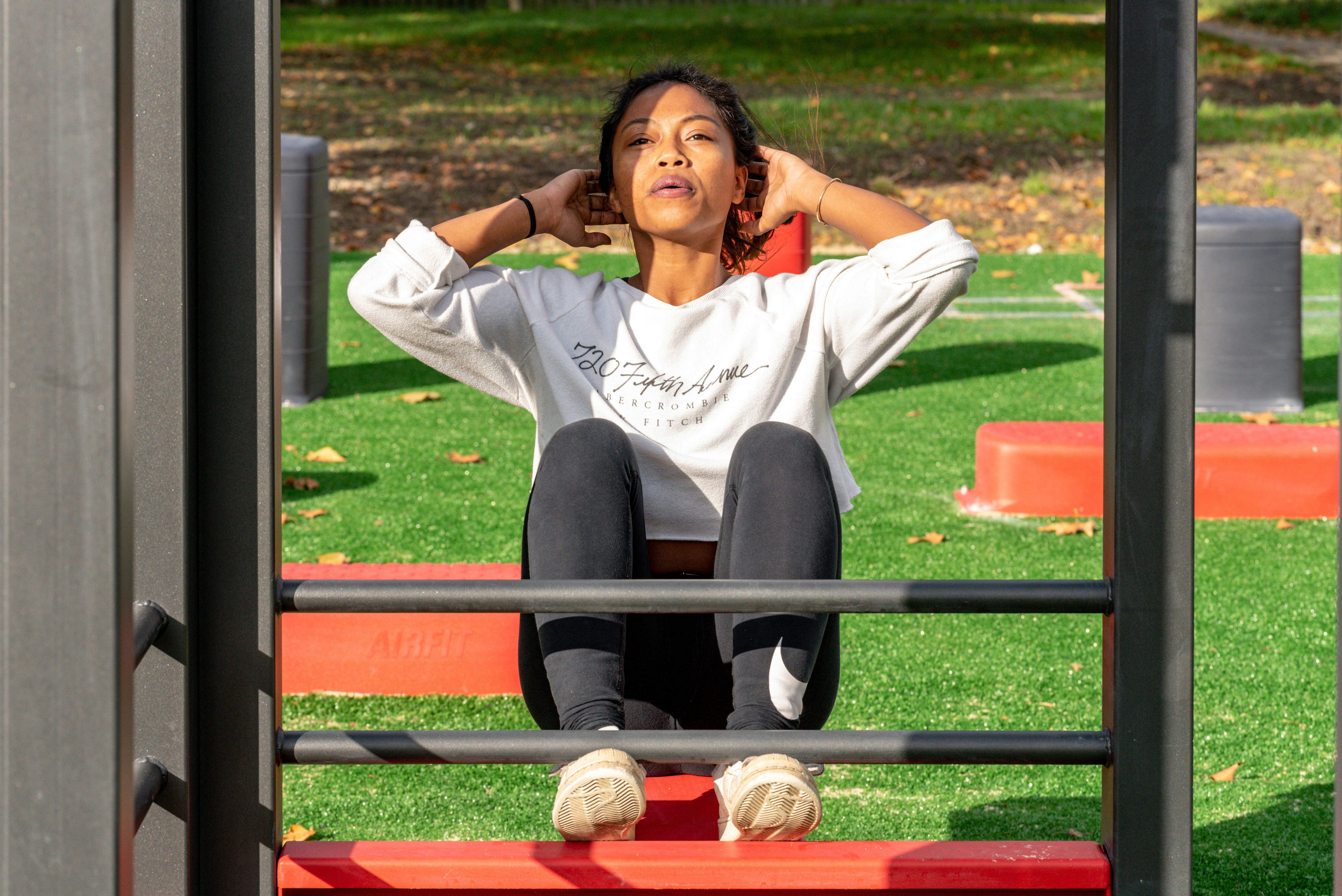
So, you roll out your mat and do what you've always known: crunches, planks, and maybe some bicycle twists for good measure.
And... nothing changes. Or, even worse, you notice your belly "doming" or "coning" during the exercise, and your lower back is starting to hurt.
As a Doctor of Physical Therapy, I beg you to stop.
I know your motivation is in the right place, but you may be unknowingly making your Diastasis Recti (ab separation) worse and putting your pelvic floor under serious strain.
The "Tube of Toothpaste" Problem
Before we dive in, you need to understand why these exercises are so risky.
Your core is a "pressure system." Imagine a tube of toothpaste. If you squeeze it hard in the middle (like a crunch), the pressure has to go somewhere—it goes up and down.
After pregnancy, your "core" container is weakened.
The front (your linea alba) is stretched thin.
The bottom (your pelvic floor) is stretched and weak.
When you do a high-pressure exercise like a crunch, that force bulges outward against your weak ab wall (making the "pooch" worse) and downward on your pelvic floor (making you leak).
We must rebuild the container before we add pressure. That means avoiding these three exercises until you have rebuilt your deep core foundation.
The 3 Exercises to Avoid
1. Crunches & Sit-Ups
This is the most common, and most damaging, mistake. A crunch is a direct, forceful "flexion" that causes that "coning" or "doming" of your midline. You are literally, repeatedly, pushing your organs out through that weak connective tissue. This is the opposite of healing.
2. Standard Planks (Before You're Ready)
I know—planks are a "core-classic." But they are an advanced exercise. Holding a plank requires your entire deep core system to be firing perfectly.
If you're not ready, your body will compensate. Your back will sag (hello, back pain) and your belly will "hang" on that thin linea alba, putting it under incredible strain. This can pull the separation even wider.
3. Russian Twists & Bicycle Crunches
These are the worst offenders. They combine the high-pressure flexion of a crunch with intense, shearing rotation. This "twisting" force puts a ton of stress on your linea alba and the ligaments of your pelvis. It's one of the fastest ways to cause pain and set back your healing.
So... What Can I Do?
You're probably thinking, "Great, Dr. Emily. You've taken away all my ab exercises."
I've taken away the wrong ones so I can give you the right one.
The first step in healing is not an "ab workout." It's a "core connection." You have to retrain your deepest abdominal muscle, the transverse abdominis (TVA), to fire first. This muscle is your body's natural "corset," and it's the true key to healing.
Your First, Safest Exercise: The Connection Breath
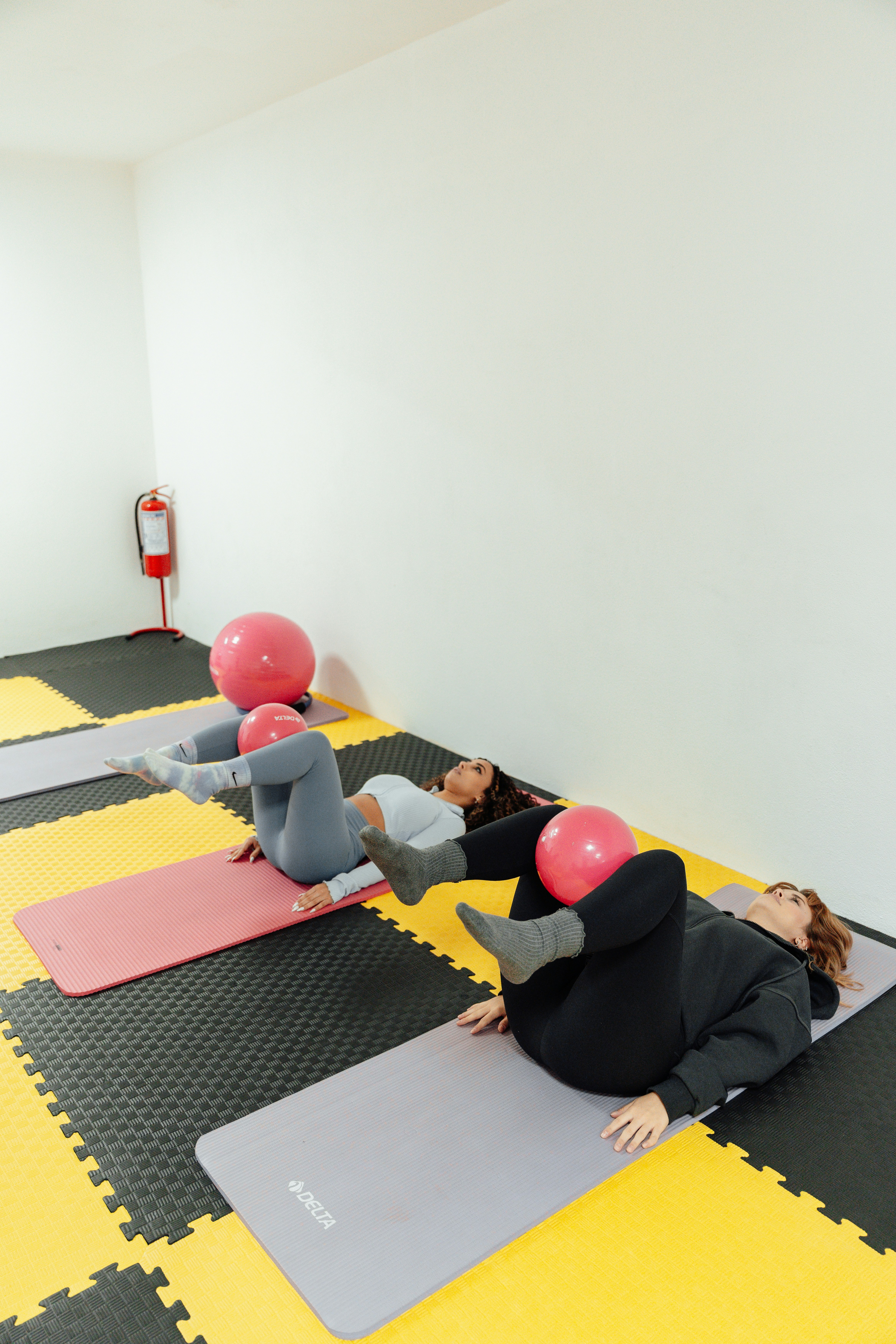
Lie on your back, knees bent, feet flat.
Place your hands on your lower belly.
Take a slow breath in, letting your belly and ribs expand.
Exhale slowly, like you're blowing out a candle. As you exhale, gently draw your belly button in toward your spine. Imagine you are zipping up a pair of snug, high-waisted pants.
Hold that gentle "zip" for 5 seconds. Inhale and fully relax.
That's it. That is your first, most important core exercise. It teaches your TVA to activate.
Stop Guessing, Start Healing
Healing your core is a progressive, layered process. We start with this breath. We build on it. We eventually get you back to planks and more—but we do it safely, on a strong foundation.
This "foundation-first" philosophy is the entire basis of The Core Restore Program. It’s a complete, DPT-led path that takes all the guesswork out of recovery. You'll never have to wonder, "Is this safe?" again.
Stop doing exercises that hurt you. Start doing the ones that heal you.
With support, Dr. Emily